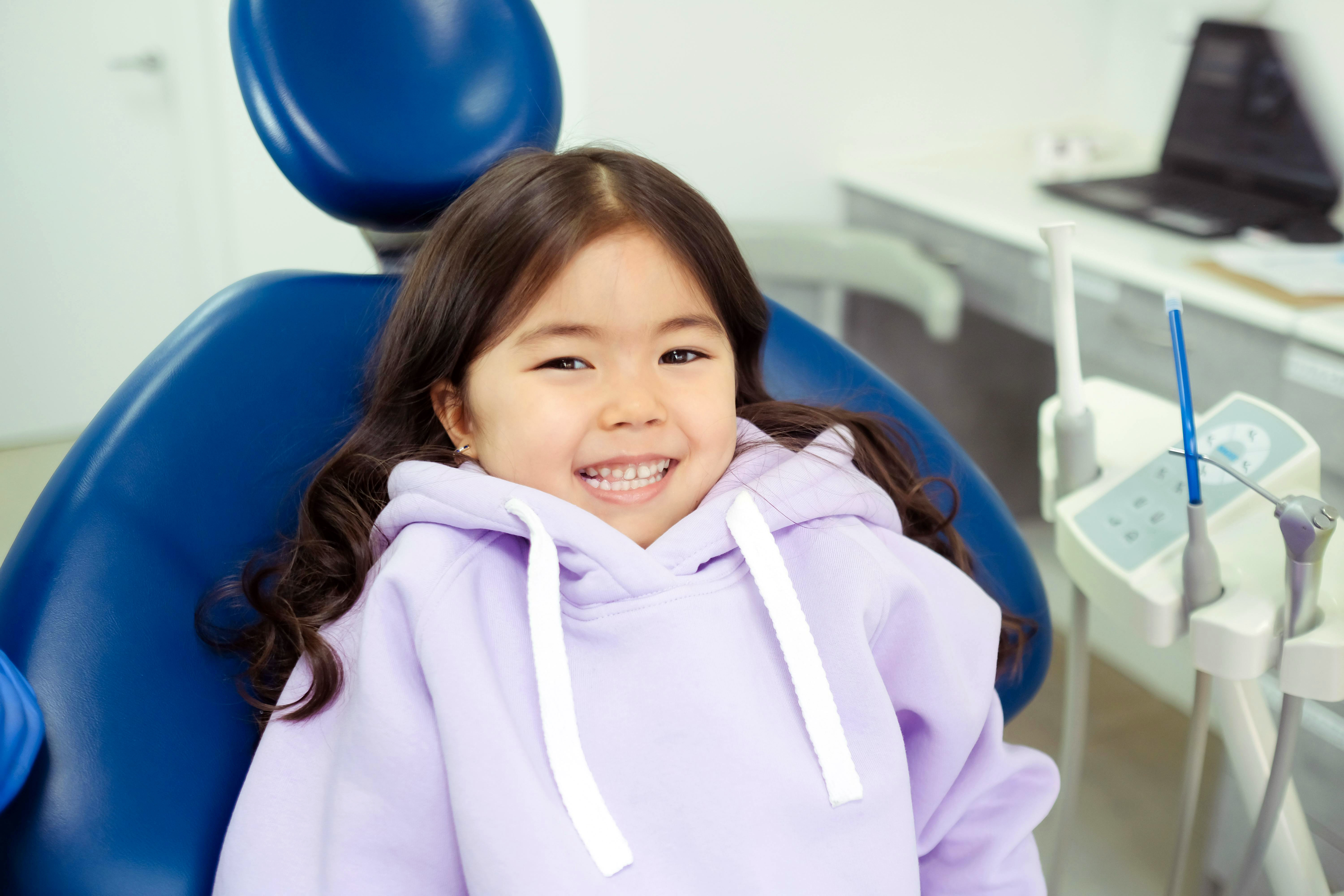
The Smart Parent’s Guide to Your Child’s First Dental Visit
The American Academy of Pediatric Dentistry recommends your child's first dental visit by their first birthday or within six months of their first tooth appearing. This "first tooth, first birthday" guideline surprises many parents who remember starting dental care much later, but early intervention creates the foundation for lifelong oral health. We help families navigate this milestone with patience and child-focused techniques at Chesterfield Family Dentistry.
What Age Should Your Child First See a Dentist?
We recommend your child's first visit by their first birthday, following American Academy of Pediatric Dentistry guidelines. This timing aligns with critical developmental milestones that make early intervention most effective.
Most children have several teeth by their first birthday, creating the foundation for proper chewing and speech development. Starting visits at this age allows us to identify potential problems when they're easiest to address and establish positive associations before anxiety develops.
Why Do Baby Teeth Need Professional Care?
Baby teeth serve multiple critical functions beyond just chewing. These primary teeth act as natural space maintainers for permanent teeth; premature loss can cause crowding problems requiring expensive orthodontic treatment later.
Professional dental cleanings for young children use specialized techniques designed for small mouths. We remove plaque buildup that home brushing might miss and apply protective sealants when appropriate.
Studies confirm that children who receive regular professional cleanings from an early age develop 40% fewer cavities than those who start later. This preventive approach saves families an average of $1,000 in treatment costs.
What Happens During Your Child's First Dental Exam?
The examination typically begins with your child sitting on your lap while we perform a "knee-to-knee" exam. This position provides optimal visibility while maintaining the security of parent contact.
- Visual examination: Gentle inspection of teeth, gums, and oral tissues using a small mirror and light
- Developmental assessment: Evaluation of tooth eruption patterns and jaw development
- Risk evaluation: Assessment of cavity risk factors including diet and family history
- Gentle cleaning: Removal of plaque buildup using soft instruments and child-friendly techniques
- Parent consultation: Discussion of findings, home care instructions, and prevention strategies
The entire visit usually takes 30-45 minutes. We use digital X-rays only when clinically necessary and appropriate for your child's development stage.
How Should You Prepare Your Child?
Proper preparation transforms a potentially stressful experience into a positive milestone. Start talking about the dental visit 2-3 days beforehand.
- Read together: Children's books about visiting the dentist help normalize the experience
- Play dentist: Use a toothbrush to count each other's teeth or examine stuffed animals' mouths
- Use positive language: Say "the dentist will help keep your teeth healthy and strong"
- Time strategically: Schedule appointments when your child is typically well-rested
- Bring comfort items: A favorite stuffed animal can provide security
Managing Toddler Dental Anxiety
Toddler dental anxiety during first visits is completely normal. Our pediatric-friendly environment includes smaller instruments and gentle techniques specifically designed for young patients.
- Gradual introduction: We start by letting your child explore the chair and instruments at their own pace
- Tell-show-do technique: We explain procedures in age-appropriate language before each step
- Positive reinforcement: Praise and encouragement throughout the visit
- Parent involvement: You remain close and can provide comfort during the examination
Common Dental Problems in Young Children
Several conditions commonly affect young children, but most are preventable with proper care and early professional guidance. Early childhood caries affects 23% of children ages 2-5, often developing from prolonged exposure to sugary liquids.
- Baby bottle tooth decay: Results from frequent exposure to milk, juice, or formula during sleep
- Thumb sucking complications: Prolonged thumb sucking beyond age 4 can affect tooth alignment
- Dental trauma: Active toddlers experience falls that can damage teeth
- Delayed tooth eruption: Sometimes teeth don't emerge on schedule, requiring evaluation
Our cavity detection technology helps us identify problems early when treatment remains simple.
Building Healthy Oral Care Habits at Home
Between dental visits, consistent home care maintains your child's oral health and reinforces positive associations with dental hygiene.
- Start before teeth appear: Clean your baby's gums with a soft, damp cloth after feeding
- Use proper tools: Soft-bristled toothbrushes and fluoride toothpaste in rice-grain amounts for children under 3
- Make it enjoyable: Singing songs or using timers encourages cooperation
- Supervise brushing: Children need help until they develop fine motor skills, typically around age 6-8
- Establish routines: Brush twice daily and clean between teeth when they touch
Frequently Asked Questions
What if my child cries during their first dental visit?
Crying is completely normal. Approximately 70% of children under age 3 cry during their first visit. Our team never forces treatment or rushes the process. We focus on building trust and comfort, even if it takes several visits.
Your Child's Dental Health Journey Starts Here
Your child's first dental visit marks the beginning of a lifelong journey toward optimal oral health. By following professional guidelines and starting early, you're providing the best possible foundation for healthy teeth and gums.
Children who start dental visits by age one develop superior oral hygiene habits, experience less anxiety, and require fewer extensive treatments throughout their lives. Ready to schedule your child's first dental visit? Contact our office today to learn more about our pediatric dental services.

We can’t wait to meet you
Call 314-878-9808 or request an appointment online to set up your first visit. We’ll be in touch soon.