What to Expect Before, During & After a Tooth Extraction
The difference between a simple extraction and surgical removal comes down to what we can see and reach. Simple extractions handle visible teeth that we can grasp with instruments; we numb the area, gently rock the tooth to loosen the periodontal ligament, and lift it from the socket. Surgical extractions tackle impacted wisdom teeth, broken roots below the gumline, or teeth with curved roots that resist standard removal techniques. While the thought of having a tooth pulled might make you nervous, modern extraction techniques at Chesterfield Family Dentistry make the process far more comfortable than you might expect.
We don't recommend extraction lightly. Dr. Silva and our team explore every option to save your natural tooth first, but sometimes removal becomes the best choice for your overall oral health in the Chesterfield area.
Quick Overview
- Simple vs. Surgical: Simple extractions remove visible teeth, while surgical extractions handle impacted or broken teeth below the gum line
- Recovery Timeline: Initial healing typically takes 7-10 days, with complete socket healing occurring over several months
- Pain Management: Most discomfort peaks within the first few days and responds well to over-the-counter medications
- Cost Factors: Costs vary based on complexity, location, and individual needs
- Replacement Options: Consider dental implants, bridges, or dentures to prevent adjacent teeth from shifting
When Do You Need a Tooth Extraction?
Several conditions might lead us to recommend extraction at our Chesterfield practice. Severe tooth decay that extends below the gum line often makes restoration impossible; when bacteria have destroyed the tooth structure down to the root, there's simply not enough healthy tissue left to support a filling or crown.
Advanced gum disease can destroy the supporting bone and tissues around a tooth, causing it to become loose and painful. Impacted wisdom teeth frequently require surgical removal when they don't have enough room to emerge properly. These teeth can cause crowding, damage adjacent teeth, or create pockets where bacteria accumulate and cause recurring infections.
Trauma from accidents or sports injuries can fracture teeth beyond repair. When a tooth breaks at or below the gum line, extraction followed by dental implant placement often provides the best long-term solution.
What's the Difference Between Simple and Surgical Extractions?
Simple extractions involve teeth that are visible in your mouth and can be removed with basic instruments. During this procedure, we numb the area with local anesthetic, then use an elevator to loosen the tooth and forceps to remove it. The entire process typically takes 10-20 minutes per tooth.
Surgical extractions are more complex procedures required when teeth are impacted, broken below the gum line, or have curved roots that resist standard removal. We make a small incision in the gum tissue to access the tooth, sometimes removing small amounts of bone or sectioning the tooth into pieces for easier removal.
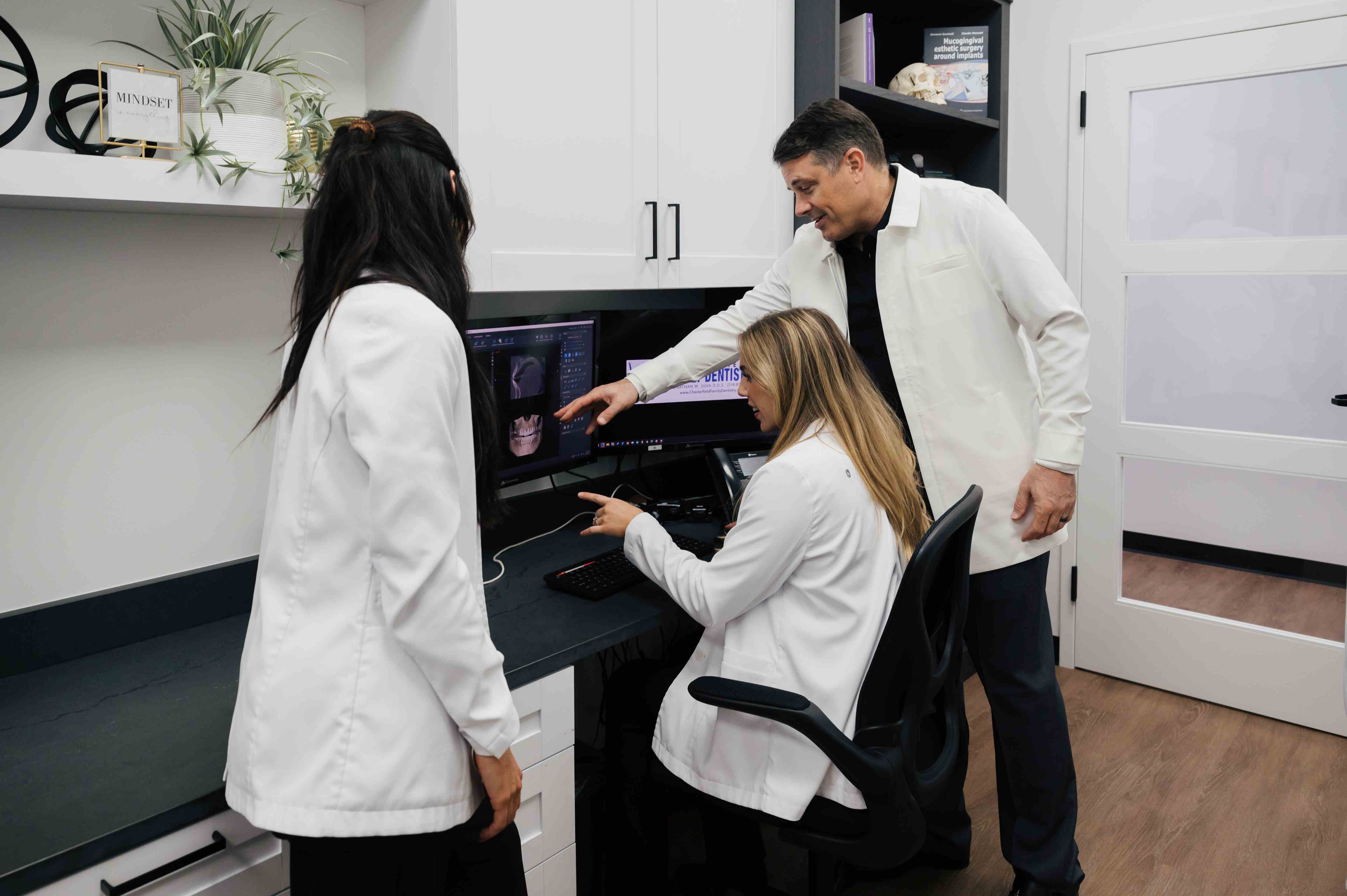
At Chesterfield Family Dentistry, we use advanced imaging technology including cone beam CT scans to plan surgical extractions precisely. This three-dimensional view helps us avoid important structures like nerves and sinuses while ensuring complete tooth removal.
How Should You Prepare for Your Extraction?
Preparation begins with a thorough examination and discussion of your medical history. Several factors can affect your procedure and healing:
- Medications: Blood thinners may need adjustment; bring a complete list of everything you take
- Medical conditions: Heart conditions or joint replacements might require antibiotic premedication
- Transportation: If you’d prefer, arrange a ride home, especially for surgical extractions
- Food preparation: Stock up on soft foods like yogurt, smoothies, soup, and mashed potatoes
- Prescriptions: Fill any prescribed medications beforehand for immediate pain management
What Happens During the Extraction Procedure?
The procedure follows a systematic approach designed for your comfort and safety. We inject local anesthetic to numb the tooth and surrounding tissues completely, waiting several minutes to ensure effectiveness. For anxious patients, we can discuss additional sedation options to help you feel more comfortable.
We use specialized instruments to gently rock the tooth back and forth, gradually loosening it from the periodontal ligament. Once sufficiently mobile, we remove the tooth with forceps using controlled pressure. For surgical extractions, we include additional steps like making incisions and possibly removing bone tissue when necessary.
What Can You Expect During Recovery?
The first few days are crucial for proper healing. Bleeding is normal initially but should gradually decrease throughout the day; bite down on gauze pads for 30-45 minutes at a time, replacing them as needed. Swelling typically peaks around the second or third day after extraction, then gradually subsides.
Apply ice packs to the outside of your face for 15-20 minutes at a time during the first 24 hours. After the first day, switch to warm compresses to promote circulation. Pain management typically involves over-the-counter medications like ibuprofen or acetaminophen, though we may prescribe stronger medication for surgical extractions.
Should You Choose Extraction or Try to Save the Tooth?
This decision depends on several factors, and Dr. Silva helps you weigh them carefully. Root canal therapy with a dental crown can often save severely damaged teeth, though success rates vary based on the extent of damage.
We consider your specific situation, budget, and treatment goals when making recommendations. Sometimes extraction followed by implant placement provides the most predictable long-term outcome, especially for severely compromised teeth.
What Are Your Tooth Replacement Options?
Once we remove a tooth, several options can restore function and appearance:
- Dental implants: Provide the most natural feel and function by fusing with your jawbone
- Fixed bridges: Connect crowns to adjacent teeth, literally bridging the gap
- Removable partials: Economical solution using tooth-colored materials
- Complete dentures: Full arch replacement when multiple extractions are necessary
Dental implants preserve jawbone density and don't affect adjacent teeth, making them our preferred long-term solution when bone and gum health permit.
How Can You Prevent Complications During Healing?
Following post-operative instructions carefully prevents most complications. Your extraction site needs to form a stable blood clot that protects the healing socket underneath.
Critical activities to avoid for at least 72 hours include smoking, using straws, spitting forcefully, and vigorous rinsing. Maintain gentle oral hygiene around the extraction site while keeping the area clean. Stick to soft foods and avoid anything hot, spicy, or crunchy for the first week.
When Should You Contact Your Dentist?
While some discomfort is normal, certain symptoms warrant immediate attention. Contact our Chesterfield office immediately for severe pain that worsens after the third day, excessive bleeding that doesn't respond to pressure, signs of infection like fever or pus, allergic reactions, persistent numbness, or swallowing difficulty.
We provide detailed instructions about when to seek immediate care. Most patients heal without complications, but knowing what to watch for provides peace of mind during recovery.
Your Path to Better Oral Health
Tooth extraction, while never our first choice, sometimes provides the best solution for preserving your overall oral health. At Chesterfield Family Dentistry, we combine advanced technology with gentle techniques to make extractions as comfortable as possible.
Whether you need a simple extraction or complex surgical removal, Dr. Silva and our experienced team guide you through every step of the process. If you're experiencing tooth pain or have been told you need an extraction, we're here to answer your questions and discuss your options. Contact our Chesterfield office or visit our practice website to schedule a consultation and learn more about how we can help restore your oral health and confidence in your smile.

We can’t wait to meet you
Call 314-878-9808 or request an appointment online to set up your first visit. We’ll be in touch soon.